SignFly Handwritten Font: Elevating Digital Brand Identity
In the crowded landscape of web design, where every pixel competes for attention, establishing a distinct visual voice is no longer optional—it is essential. As designers and digital product creators, we constantly search for typefaces that do more than just convey information; they must evoke emotion, build trust, and guide the user’s eye through a seamless journey. This is where SignFly enters the conversation. Classified under the Script Amp category within modern Fonts libraries, SignFly is not merely a decorative element but a sophisticated tool for crafting authentic, human-centered digital experiences.
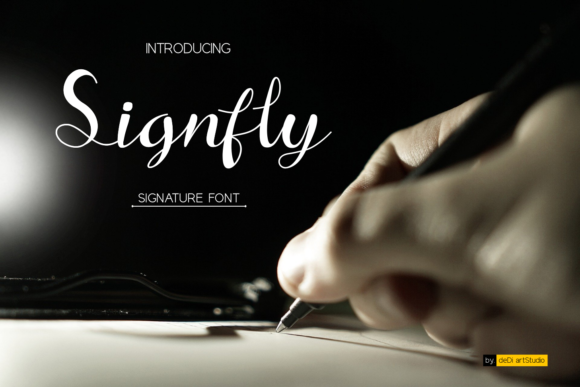
SignFly is a beautiful handwritten font that strikes a delicate balance between timeless elegance and authentic calligraphy. Its classic style offers a refined aesthetic that feels both personal and professional. For web designers, UI specialists, and creative entrepreneurs, this distinction is crucial. A font can make or break a layout, and SignFly’s unique character set provides the versatility needed to create incredible designs across various digital touchpoints, from landing pages to brand-focused web experiences.
The Personality of SignFly in Digital Contexts
When evaluating a typeface for a website, we look beyond aesthetics to personality. SignFly exudes a sense of curated sophistication. It avoids the chaotic energy of casual marker scripts and instead presents itself with the poised grace of traditional penmanship. This makes it particularly effective for brands aiming to communicate reliability, artistry, and high-quality service. Whether you are designing for a boutique online store, a coaching website, or a creative portfolio, SignFly adds a layer of editorial depth that standard sans serif fonts often lack.
The visual characteristics of SignFly—its fluid strokes and consistent rhythm—allow it to serve as a powerful anchor in hero sections. When used for main headlines, it immediately captures interest without overwhelming the viewer. However, its true strength lies in its ability to support visual hierarchy. By using SignFly for key messaging, such as value propositions or taglines, designers can create a clear focal point that draws users into the content. This strategic placement enhances scanning behavior, ensuring that visitors grasp the core message before diving into detailed body copy.
Strategic Applications Across Web Layouts
Integrating a script font like SignFly requires a thoughtful approach to ensure it enhances rather than hinders usability. Here is how SignFly performs in specific areas of web design:
- Hero Sections and Landing Pages: Use SignFly for short, impactful phrases. A headline like "Crafted with Care" or "Your Story, Told Beautifully" gains significant emotional weight when rendered in this handwritten style. It creates an immediate connection with the visitor, setting a tone of authenticity right from the first scroll.
- Call-to-Action (CTA) Areas: While full sentences should remain in highly readable sans serif fonts, SignFly can be effectively used for button labels if kept concise. Words like "Discover," "Join," or "Explore" take on a more inviting, hand-crafted feel. Ensure sufficient contrast against the background to maintain accessibility.
- Blog Graphics and Social Media Assets: For marketers and bloggers, SignFly is invaluable for creating static images for social media posts, email headers, and blog featured images. Its decorative nature stands out in crowded feeds, increasing click-through rates by offering a visual break from uniform typography.
- Course Sales Pages and Digital Products: In the education and SaaS sectors, trust is paramount. SignFly’s classic style conveys professionalism and established expertise. Using it for section headings on a course sales page can elevate the perceived value of the content, making the offer feel premium and well-produced.
- Portfolio Sites and Creative Agencies: For designers and artists, your website is your canvas. SignFly allows you to showcase your typographic taste. It works beautifully as a logo accent or as a signature-style element in footers, reinforcing the idea of human craftsmanship behind digital products.
Readability and Responsive Design Considerations
As web designers, our primary responsibility is usability. Script fonts, by their nature, present challenges in legibility, especially on smaller screens. To ensure SignFly performs optimally across devices, consider the following practical advice:
Mobile Responsiveness: On mobile screens, space is at a premium. Avoid using SignFly for long paragraphs or dense blocks of text. Instead, reserve it for display purposes. When scaling down, test the font size carefully. If the intricate details of the handwriting become muddy or indistinct at 14px or 16px, switch to a simpler sans serif font for body copy and keep SignFly strictly for larger headings (32px and above).
Background Contrast: The readability of any handwritten font depends heavily on contrast. SignFly looks stunning against light backgrounds, where the dark strokes provide clear definition. On dark backgrounds, ensure the font color is bright enough to maintain legibility. Be cautious with image overlays; if the background image is busy, the complexity of the script may clash with the photo, causing visual noise. In such cases, use a semi-transparent overlay or a solid color box behind the text to isolate the typography.
Button and Interactive Elements: For small buttons or icons, SignFly may be too detailed. The curves and connections between letters can blur together on low-resolution displays. Stick to clean, geometric sans serif fonts for interactive elements to ensure quick recognition and ease of tapping.
Effective Font Pairing for Modern Typography
No font exists in isolation. The success of SignFly in a web layout largely depends on how well it pairs with supporting typefaces. The golden rule of pairing a decorative display font like SignFly is to let it shine while keeping the rest of the typography understated.
Pairing with Sans Serif: The most common and effective combination is pairing SignFly with a simple, neutral sans serif font for body copy. Fonts like Inter, Roboto, or Lato provide a clean, modern counterpoint to the organic flow of SignFly. This contrast creates a balanced visual rhythm, allowing the eye to rest on the elegant headings while reading the functional text comfortably. This combination is ideal for modern SaaS platforms, tech startups, and minimalist e-commerce stores.
Pairing with Serif: For a more editorial or luxury feel, consider pairing SignFly with a classic serif font. This combination evokes a sense of heritage and sophistication, suitable for high-end fashion brands, wedding planners, or artisanal food producers. The structured lines of the serif complement the fluidity of the script, creating a harmonious and luxurious digital identity.
When building a brand kit, consistency is key. Define clear guidelines for when to use SignFly versus your body font. For example, use SignFly only for H1 and H2 tags, and perhaps for pull quotes, while reserving the secondary font for all paragraph text and navigation menus. This discipline ensures that the handwritten style remains a special accent rather than a dominant, tiring presence.
Technical Specifications and Licensing
Before integrating SignFly into your projects, it is vital to review the technical specifications provided by the font foundry. Check for included styles, such as italics or bold variants, which can add dynamism to your designs. Verify the file formats available; for web use, ensure that WOFF2 formats are included for optimal loading speeds and compatibility across browsers.
Multilingual support is another critical factor. If your website targets international audiences, confirm whether SignFly supports the necessary character sets for languages other than English. Missing accented characters can disrupt the visual integrity of your design.
Finally, always adhere to commercial font licensing agreements. Using SignFly for client projects, online stores, and digital templates requires appropriate licenses. Whether you are purchasing a single-user license or an extended license for unlimited end-products, understanding the terms protects you legally and respects the creator’s work. Proper licensing ensures that your design assets are secure and ready for public deployment.
By leveraging the elegant, authentic qualities of SignFly, web designers and digital creators can transform ordinary layouts into memorable brand experiences. It is a testament to the power of thoughtful typography in shaping how users perceive and interact with the digital world.