Coffee: A Bold Handwritten Font for Crafters and Sellers
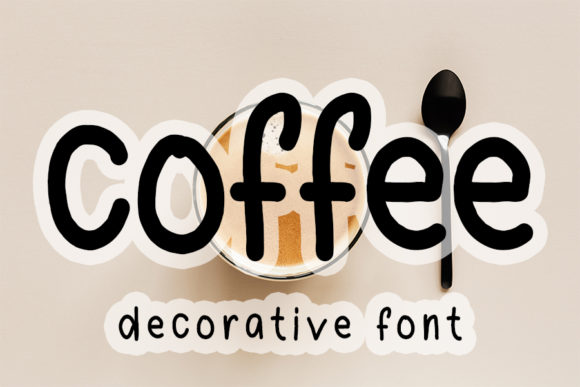
When you are designing physical products, labels, or digital downloads, the typography you choose speaks volumes before a customer even reads the text. For handmade sellers, Etsy shop owners, and printable creators, finding a typeface that balances personality with professionalism is often the difference between a forgettable item and a bestseller. Enter Coffee, a bold and elegant handwritten font from Script Amp that brings immediate warmth and sophistication to any design project.
This isn’t just another generic script; it is a carefully crafted display font designed to stand out. Whether you are creating rustic farmhouse signs, chic boutique tags, or modern wedding invitations, Coffee offers the visual weight and charm needed to capture attention. It is specifically engineered to look outstanding in various contexts, ensuring your brand identity remains consistent whether used on busy backgrounds or as a standalone headline.
Why Coffee Fits the Modern Maker’s Workflow
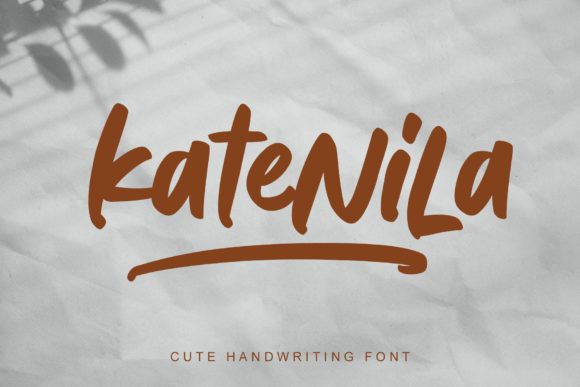
As a creator who values both aesthetics and production efficiency, I look for fonts that are versatile enough to handle multiple project types without losing their character. Coffee delivers on this front by offering a robust presence that doesn’t sacrifice readability. Its bold strokes give it a commanding presence, making it ideal for short phrases, names, titles, and decorative wording where impact is key.
The font’s handwritten style adds a human touch that mass-produced items often lack. In a market saturated with machine-made goods, customers are drawn to designs that feel personal and artisanal. Using Coffee on your product packaging, greeting cards, or stationery instantly elevates the perceived quality of your work. It signals that care was taken in the design process, which can directly influence customer trust and purchase decisions.
Ideal Applications for Physical Products
One of the most practical uses for Coffee is in product labeling. Imagine applying this font to candle jars, soap bars, or honey bottles. The bold elegance contrasts beautifully with natural textures like kraft paper, wood grain, or matte finishes. Because the letterforms are distinct, they remain legible even when printed on smaller surfaces, provided you pay attention to spacing and scale.
- Product Labels and Tags: Use Coffee for the main product name on boutique clothing tags, jewelry boxes, or gift bags. The handwritten flair adds a luxury feel that appeals to high-end buyers.
- Stickers and Decals: For Cricut or Silhouette users, Coffee cuts cleanly and looks sharp on vinyl stickers. It works exceptionally well for planner stickers, laptop decals, or water bottle labels where a pop of personality is desired.
- Apparel and Merchandise: When screen printing or using heat transfer vinyl (HTV) on t-shirts, tote bags, or mugs, Coffee’s bold weight ensures the design holds up over time and washes. It reads clearly from a distance, making it perfect for event shirts or branded merchandise.
Digital Downloads and Printables
If you sell digital assets, Coffee is a valuable addition to your design toolkit. Printable wall art, quote prints, and seasonal decor are huge markets. Coffee allows you to create eye-catching pieces that stand out in online galleries. Because it is a display font, it excels at conveying emotion quickly—whether that’s cozy nostalgia for autumn-themed art or celebratory energy for birthday graphics.
For invitation designers, Coffee can serve as the primary header for save-the-dates, wedding programs, or party banners. Its elegance pairs well with minimalist layouts, allowing white space to breathe while the typography anchors the design. You might use Coffee for the couple’s names or the event title, then switch to a simpler font for the details.
Readability and Technical Considerations
While Coffee is stunning, it is important to remember its role as a display font. It is not intended for long paragraphs of body text. Instead, reserve it for headlines, logos, and short phrases. This limitation is actually a strength, as it forces designers to be concise and impactful—a crucial skill in marketing and branding.
When preparing files for cutting machines, ensure your vector paths are clean. Handwritten fonts can sometimes have complex curves that require careful kerning. Take time to adjust the spacing between letters, especially if you are using swashes or alternates if available in the file set. Proper kerning prevents letters from touching or appearing too loose, which maintains the professional polish of your final product.
For small-scale applications like tiny product stickers or embroidery on hats, test print or cut a sample first. The bold nature of Coffee means it can become muddy if scaled down too much without sufficient resolution. Always export your designs in high-resolution formats (like 300 DPI PNGs for print or SVG/EPS for cutting) to maintain crisp edges.
Strategic Font Pairing for Brand Identity
No single font can do everything. To maximize the utility of Coffee, pair it with complementary typefaces. Since Coffee is a bold handwritten script, it benefits from contrast. Pairing it with a clean sans serif font creates a modern, balanced look that is easy on the eyes. This combination works well for business cards, social media graphics, and website headers.
Alternatively, pairing Coffee with a simple serif font can evoke a more traditional or classic vibe, suitable for formal invitations or vintage-inspired packaging. The key is to let Coffee be the star while the secondary font provides structure and readability for informational text. This hierarchy guides the viewer’s eye and organizes information effectively.
Exploring File Features
Before purchasing, check the included styles and features. Look for alternates, ligatures, and swashes that add variety to your designs. These elements allow you to customize the look of your text without changing fonts, adding a unique touch to each project. Also, verify multilingual support if you plan to sell internationally or include foreign characters in your designs.
Commercial Licensing and Best Practices
As a seller, understanding licensing is non-negotiable. Ensure you have the correct commercial license for Coffee if you intend to use it for selling physical products, templates, printables, or digital downloads. Most premium fonts require a specific license for commercial use, which protects the designer’s rights and ensures you can legally profit from your creations.
Always read the end-user license agreement (EULA) carefully. Some licenses allow unlimited physical sales but restrict digital redistribution. By adhering to these guidelines, you protect your business from legal issues and support the creative community that makes tools like Coffee possible.
Incorporating Coffee into your workflow adds a layer of sophistication and authenticity to your craft. It is more than just a font; it is a tool that helps you communicate your brand’s story with clarity and style. Whether you are launching a new line of home decor or updating your Etsy shop banner, Coffee provides the bold, elegant foundation your designs need to succeed.